
I. Opening: Beyond Green Building
The future of sustainable architecture is a landscape of innovation, where we move beyond basic green building practices to create buildings that truly harmonize with our planet. This dynamic field is driven by technology, social responsibility, and a deep understanding of our changing world. This week, we’ll explore how sustainable architecture is about “designing for a changing world,” creating resilient and regenerative spaces for future generations.
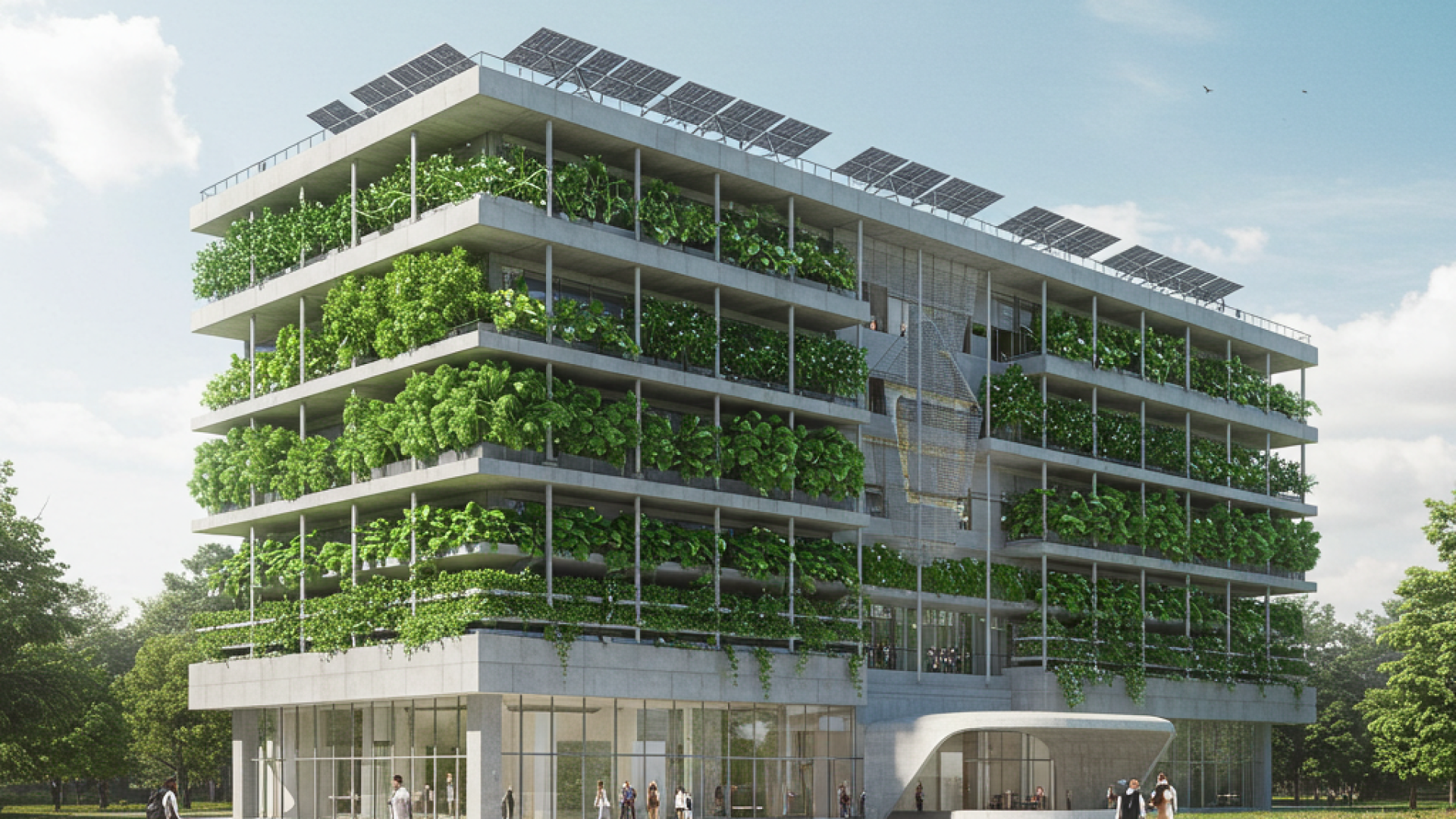
(Image: A futuristic architectural design incorporating advanced sustainable technologies, such as vertical farms, integrated solar panels, and smart building systems.)
II. Emerging Trends in Sustainable Architecture
- Net-Zero Energy Buildings: The goal of designing buildings that produce as much energy as they consume, reducing reliance on fossil fuels and minimizing carbon emissions.
- Circular Economy: Minimizing waste and maximizing resource reuse in construction through strategies like material recycling, modular design, and design for disassembly.
- Biophilic Design: Integrating natural elements and processes into buildings to promote human health and well-being, such as natural light, ventilation, and green spaces.
- Smart Cities: Using technology and data to optimize urban systems, improve sustainability, and enhance the quality of life for residents.
- Climate-Responsive Design: Designing buildings that adapt to changing climate conditions, such as extreme heat, flooding, and sea-level rise, through strategies like passive cooling and water management.
III. The Role of Technology in Sustainable Architecture
- Building Information Modeling (BIM): Optimizing building performance and reducing environmental impact through accurate modeling, simulation, and data analysis.
- Artificial Intelligence (AI): Generating sustainable design solutions, automating building systems, and optimizing energy use through machine learning and data analysis.
- Internet of Things (IoT): Improving building efficiency and occupant comfort through connected devices and sensors that monitor and control energy use, lighting, and HVAC systems.
IV. The Social Dimension of Sustainable Architecture
Sustainable architecture must consider social equity and inclusivity, ensuring that all residents have access to healthy and sustainable living spaces. Creating healthier and more equitable communities requires a holistic approach that addresses social, economic, and environmental factors.
V. Conclusion: A Vision for the Future
The future of sustainable architecture is about embracing innovation, collaboration, and a holistic approach to design. By integrating emerging trends and technologies, we can create buildings that are not only environmentally responsible but also socially equitable and economically viable.
This month, we’ve explored the core principles and emerging trends in sustainable architecture and design, from green building materials and urban planning to the future of sustainable design. By implementing these principles, we can create buildings and communities that are resilient, regenerative, and designed for a changing world.
We encourage you to share your experiences and questions about the future of sustainable architecture in the comments below, and reflect on how you’ll contribute to a more sustainable built environment.