
I. Opening: Material Matters
In the pursuit of sustainable architecture, the choice of materials and technologies is paramount. Green building is not just about design; it’s about “constructing with conscience.” By selecting materials that minimize environmental impact and promote healthy indoor spaces, we can create buildings that contribute to a greener and more responsible future. This week, we’ll delve into the world of green building materials and technologies, exploring their crucial role in sustainable construction.
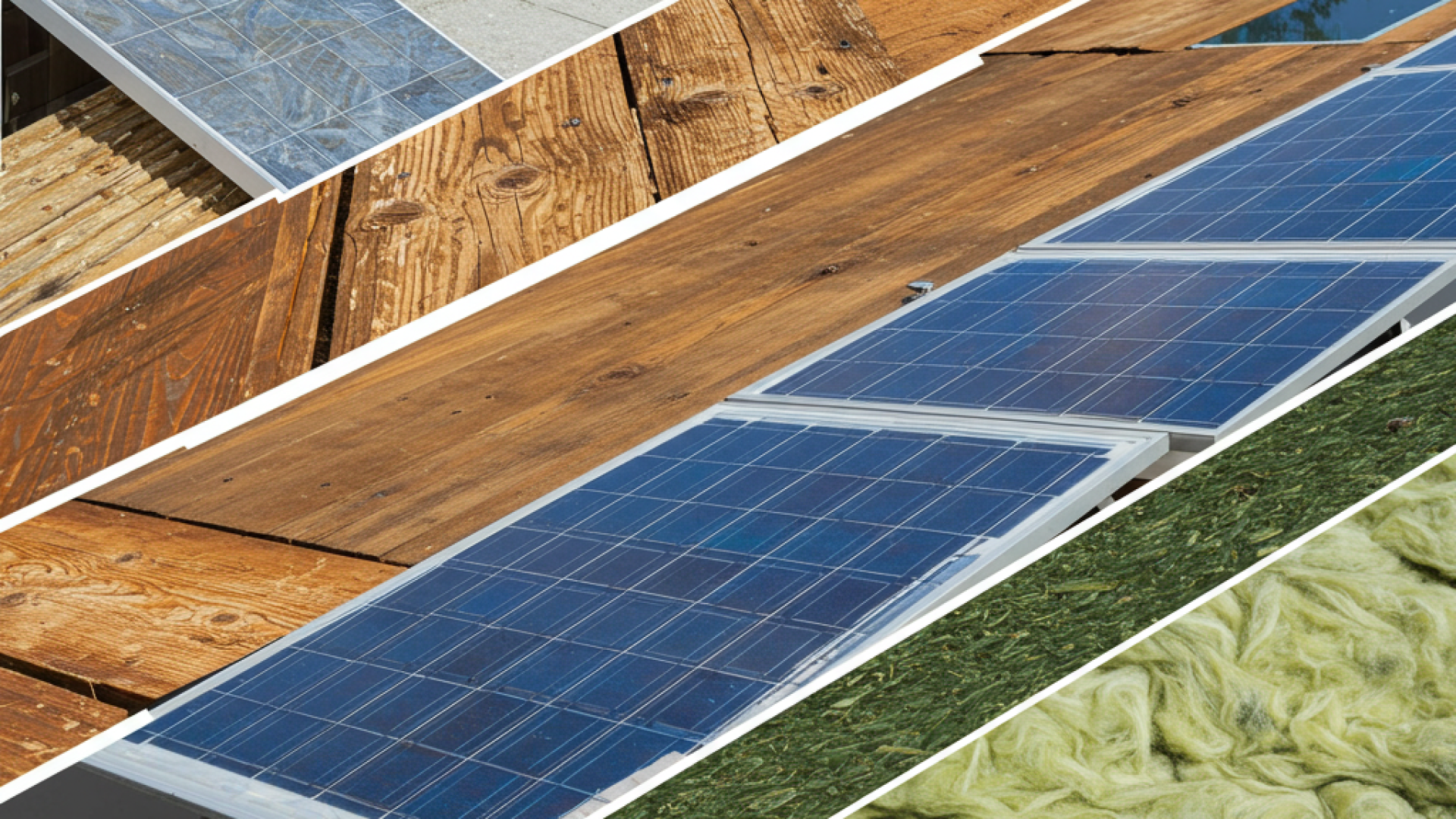
(Image: A collage of various green building materials, such as bamboo, recycled wood, and solar panels, showcasing their diversity and sustainability.)
II. What are Green Building Materials?
Green building materials are those that have a low environmental impact throughout their lifecycle, from extraction and production to use and disposal. Key criteria for evaluating these materials include embodied energy, recycled content, toxicity, and durability. By prioritizing these factors, we can significantly reduce the environmental footprint of our buildings.
III. Types of Green Building Materials
- Renewable Materials: Derived from natural resources that regenerate quickly, such as bamboo, wood from sustainably managed forests, and cork. These materials offer a renewable alternative to traditional building products.
- Recycled and Reclaimed Materials: Utilizing materials diverted from landfills, such as recycled steel, reclaimed wood, and recycled concrete, reduces waste and conserves resources.
- Locally Sourced Materials: Using materials produced and transported within a limited radius reduces transportation emissions and supports local economies.
- Non-Toxic and Low-VOC Materials: Choosing materials that do not emit harmful chemicals, such as low-VOC paints, sealants, and adhesives, ensures healthy indoor air quality.
IV. Green Building Technologies
- Energy-Efficient Systems: Technologies that reduce energy consumption, including high-performance windows, advanced insulation, and LED lighting, minimize operational energy use.
- Water Conservation Technologies: Technologies that minimize water use, such as low-flow fixtures, rainwater harvesting systems, and greywater recycling, conserve precious water resources.
- Renewable Energy Systems: Integrating solar panels, wind turbines, and geothermal systems provides clean, renewable energy, reducing reliance on fossil fuels.
- Smart Building Technologies: Automation and sensors optimize building performance by monitoring and controlling energy use, lighting, and HVAC systems.
V. The Role of Innovation in Green Building
Ongoing research and development of new green building materials and technologies are essential for advancing sustainable construction. Innovation drives the evolution of sustainable practices, leading to more efficient and environmentally friendly solutions.
VI. Conclusion: Building a Greener Tomorrow
Green building materials and technologies are integral to creating sustainable and responsible buildings. By exploring and implementing these options, we can contribute to a greener tomorrow.
Next week, we’ll explore Urban Planning for Sustainability, examining how sustainable principles can be applied at a larger scale to create environmentally friendly communities. We encourage you to share your experiences and questions about green building materials and technologies in the comments below.