
The Silent Language of Space
Architecture is more than just the arrangement of materials; it’s the crafting of experiences. Space speaks a silent language, influencing our emotions and behaviors in profound ways. This week, we’ll explore how spatial psychology shapes our experiences, revealing the power of design to evoke specific feelings and create meaningful environments.
Understanding Spatial Psychology
Spatial psychology examines how our physical environment affects our thoughts, feelings, and actions. It’s a field that architects can leverage to create spaces that are not only functional but also emotionally resonant. Spatial configurations, color, and lighting are key elements in this interplay.
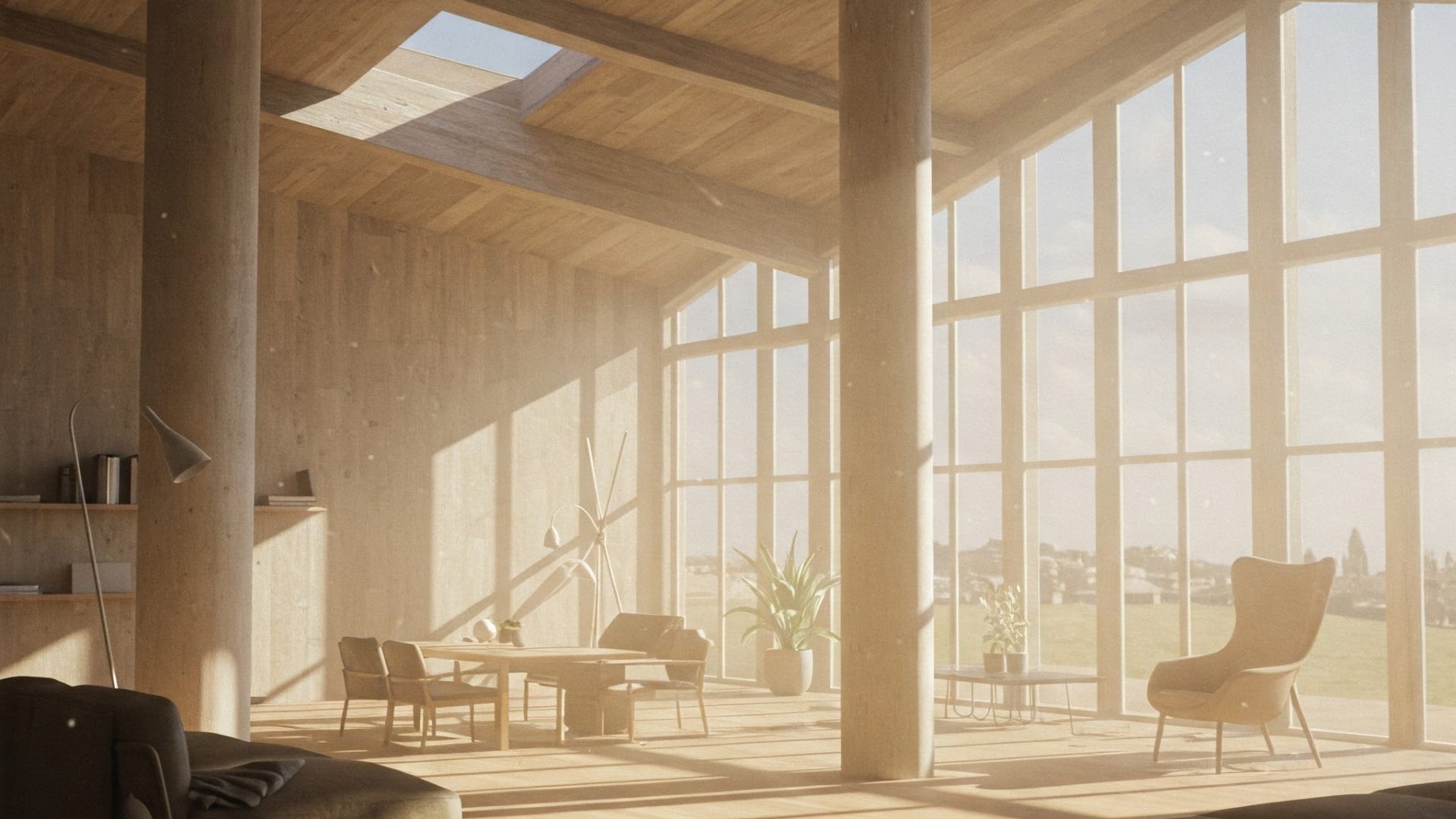
Take the image to the right, the interplay of texures, shadow and light, the planes of transparent and opaque. How does it make you feel?
The Impact of Spatial Configurations
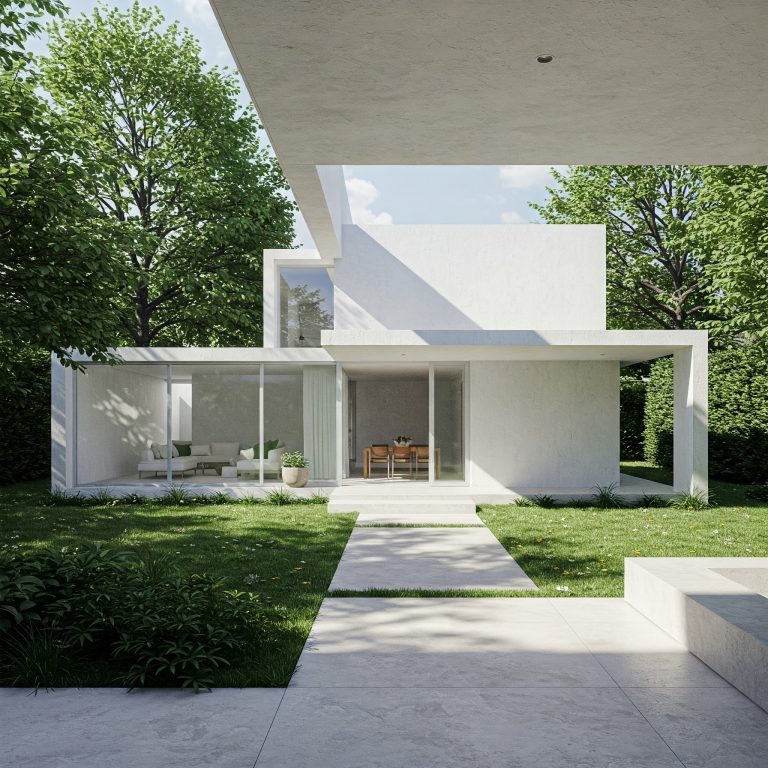
Open spaces foster social interaction and collaboration, promoting a sense of community. Closed spaces offer privacy and solitude, providing a sanctuary for introspection. Ceiling height and room size can also have a significant psychological impact. High ceilings can inspire a sense of grandeur and freedom, while low ceilings create a feeling of intimacy and coziness.
The Power of Color and Lighting
Color psychology reveals the emotional associations of different hues. Blue, for example, evokes calmness and tranquility, while red stimulates energy and excitement. Lighting plays a crucial role in shaping mood and atmosphere. Natural light enhances productivity and well-being, while artificial light can be used to create specific ambiance and highlight architectural features.
Creating Emotionally Responsive Spaces
Architects can use these principles to design spaces that evoke desired emotions. For healthcare facilities, calming colors and natural light can promote healing. In workplaces, open layouts and vibrant colors can foster collaboration and creativity. In homes, cozy spaces and warm lighting can create a sense of comfort and belonging.
Designing for Human Experience
The psychology of space underscores the profound impact of architecture on our emotional lives. By understanding these principles, we can create environments that enhance well-being and foster positive experiences.
Next week, we’ll delve into Universal Design and Accessibility, exploring how to create inclusive spaces for everyone. We encourage you to share your experiences and questions about the psychology of space in the comments below.