
Designing for Desire: Understanding Market Appeal and End-User Needs in Development
Having spent years translating developer visions into tangible structures, I can attest that a visually stunning building is only half the battle. The true measure of success lies in its ability to resonate with its intended occupants – the buyers, the renters, the users who will ultimately breathe life into the spaces we create. Ignoring market appeal and the fundamental needs of the end-user is akin to building a ship without knowing its destination. It might look impressive in the harbor, but it’s unlikely to reach its full potential.
Beyond Aesthetics: Unpacking Market Trends and Demographics
The first step in designing for desire is understanding the landscape – the current market trends and the specific demographics you’re targeting. This goes far beyond simply looking at comparable sales or rental rates. It requires a deeper dive into the lifestyle, preferences, and aspirations of your potential occupants.
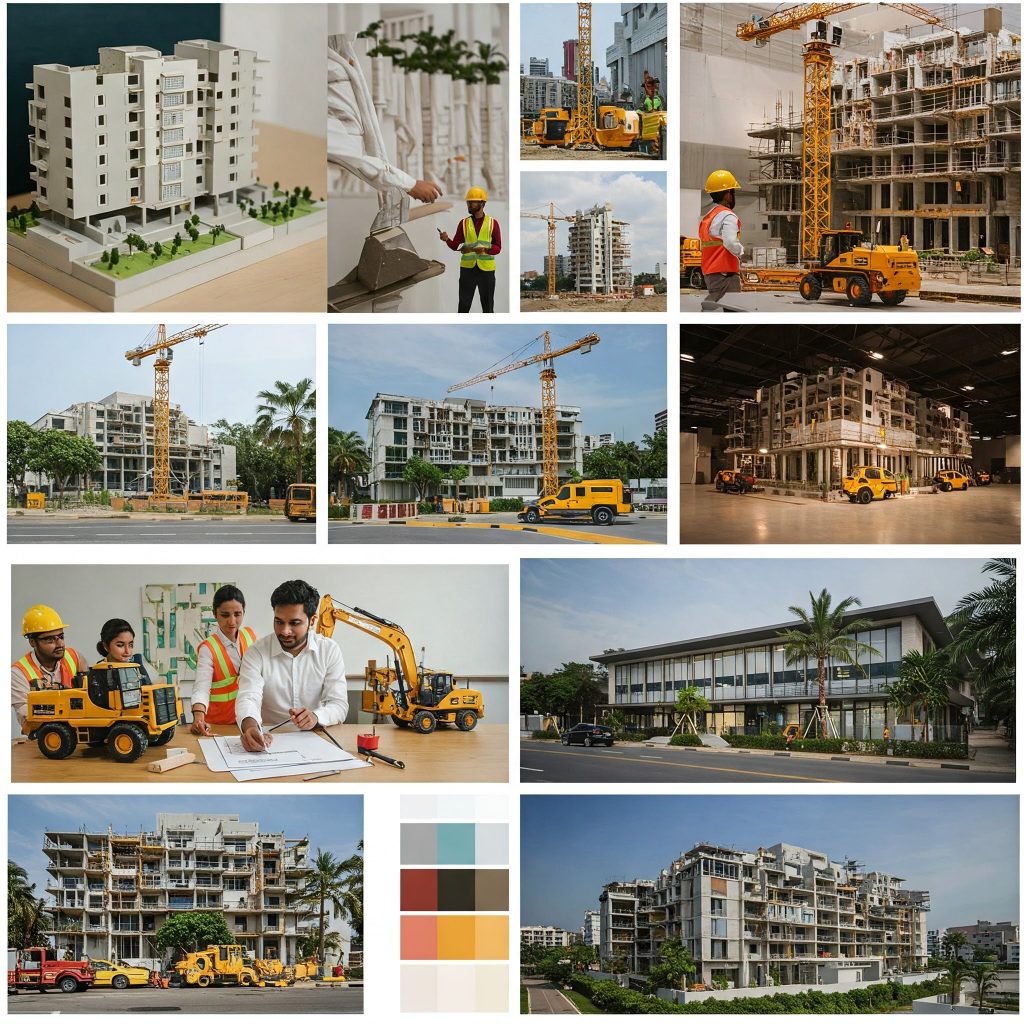
As architects, we work closely with developers to analyze market research, demographic data, and even psychographic profiles. We ask questions like: Who are the likely inhabitants of this space? What are their daily routines? What are their priorities in terms of lifestyle, convenience, and community? Are they young professionals seeking vibrant urban living, growing families prioritizing space and schools, or retirees looking for comfort and accessibility?
I recall a project where a developer was convinced that high-end finishes were the key to attracting buyers in a particular neighborhood. However, our market research revealed that the primary demographic was young families who prioritized functional layouts, ample storage, and proximity to good schools over ultra-luxury amenities. By recalibrating the design to focus on these practical needs, we created a development that sold out quickly and exceeded expectations.
The Psychology of Space: Designing for Functionality and Experience
Once you understand who your end-users are, the next step is to design spaces that truly meet their needs and enhance their experience. This involves more than just arranging rooms; it’s about understanding the psychology of space and how design can impact daily life.
Consider the flow of movement within a unit, the amount of natural light, the acoustic properties of the materials, and the accessibility of key features. Think about the small details that can make a big difference – ample storage in kitchens and bathrooms, well-placed electrical outlets, and intuitive wayfinding within common areas.
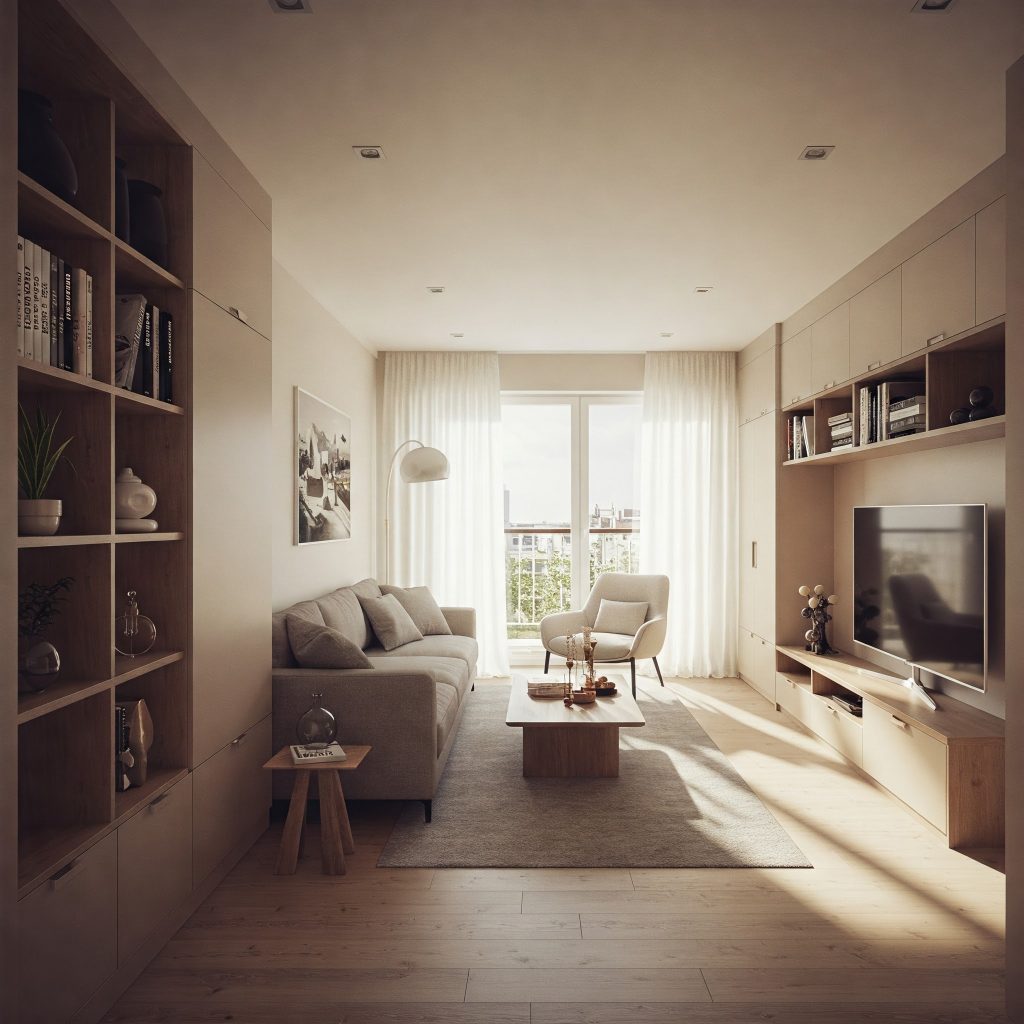
I learned this lesson firsthand when designing a multi-family housing project with a focus on sustainability. While the green features were a major selling point, we initially overlooked the need for adequate bike storage and easily accessible recycling facilities. Feedback from potential tenants quickly highlighted these oversights, and we had toRetrofit the design to accommodate these practical needs. The lesson was clear: even the most well-intentioned designs can fall short if they don’t address the fundamental day-to-day realities of the occupants.
Amenities that Matter: Balancing Luxury and Practicality
Amenities play a significant role in attracting and retaining occupants, but it’s crucial to offer amenities that genuinely resonate with your target market and provide real value. A lavish rooftop pool might be appealing in a luxury high-rise catering to young professionals, but it might be less relevant in a suburban development aimed at families with young children, who might prioritize playgrounds or community rooms.
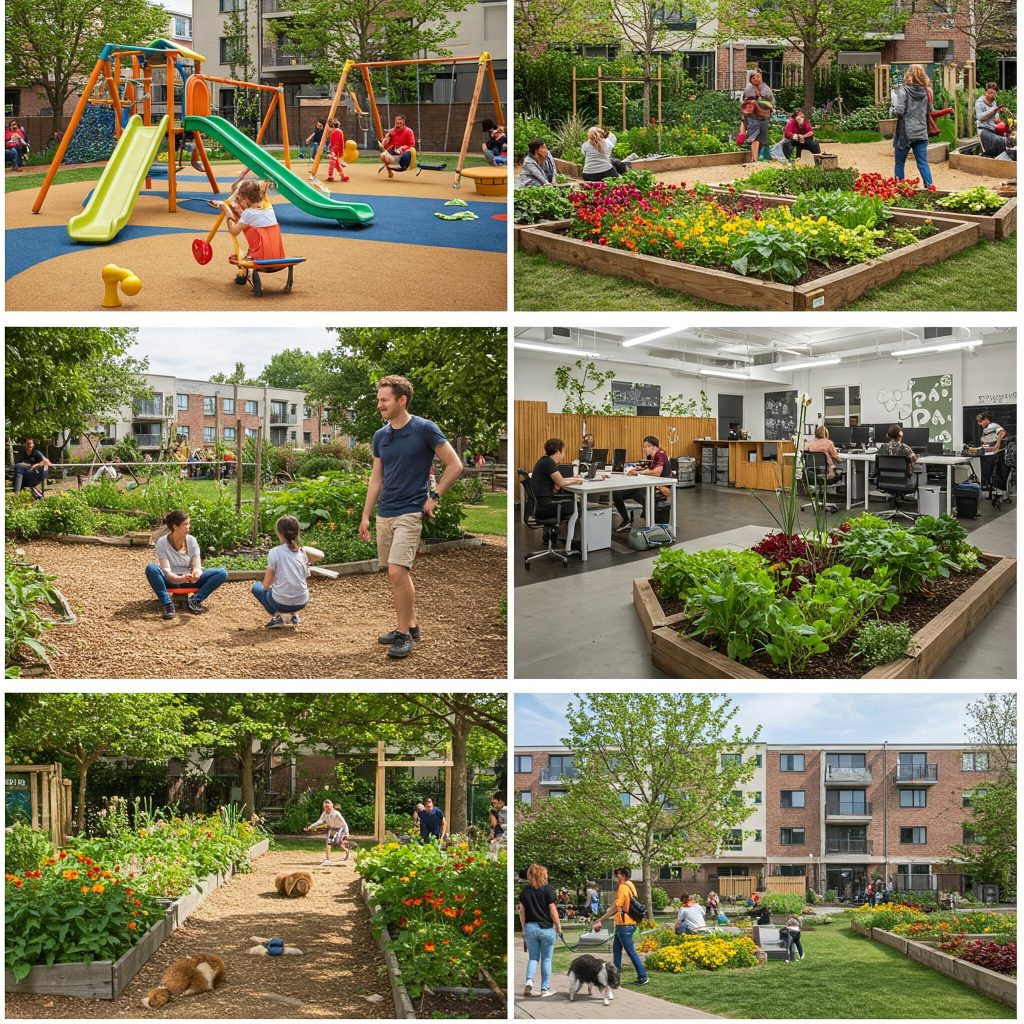
The key is to be strategic and thoughtful in your amenity offerings. Conduct market research to understand what amenities are most desired and will provide the greatest return on investment in terms of attracting and retaining occupants. Consider both the tangible amenities (gyms, pools, co-working spaces) and the intangible ones (sense of community, well-maintained common areas, responsive management).
I once worked on a project in a walkable urban neighborhood where the developer initially planned for extensive parking. However, our research indicated that the target demographic of young professionals heavily relied on public transportation and ride-sharing services. By reducing the parking allocation and investing in a high-quality bike storage facility and a well-designed common area for social interaction, we created a more appealing and successful development that truly catered to the needs of its residents.
The Architect as Advocate: Championing the End-User's Experience
As design architects, we see ourselves as advocates for the end-user. We strive to create spaces that not only look good but also feel good to live in, work in, or interact with. We bring a human-centered approach to design, constantly considering how our decisions will impact the daily lives of the people who will ultimately inhabit these spaces.
This involves a deep understanding of human behavior, ergonomics, and environmental psychology. We consider factors like light, sound, temperature, and spatial organization to create environments that are comfortable, functional, and promote well-being.
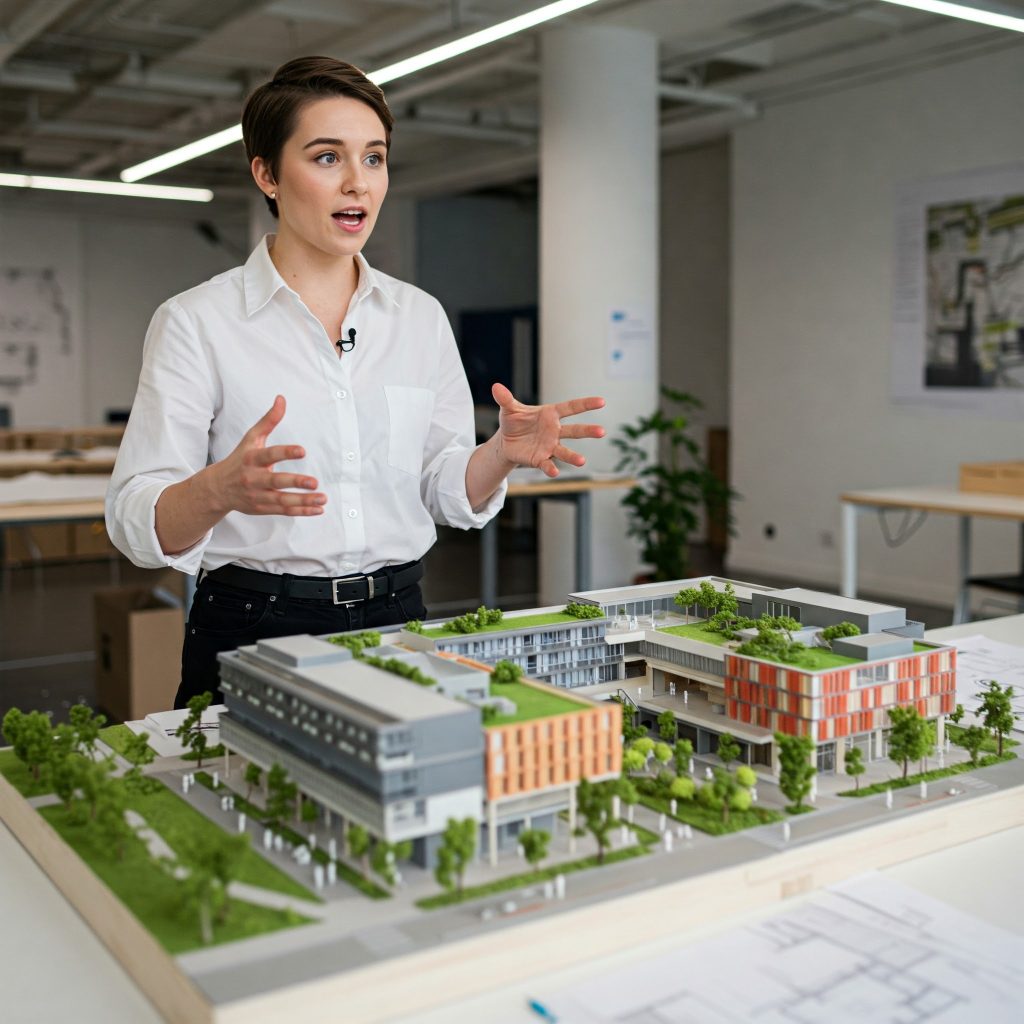
Ultimately, successful development is about creating more than just buildings; it’s about creating communities and enhancing lives. By prioritizing market appeal and deeply understanding the needs of the end-user, you can create developments that are not only financially successful but also contribute positively to the fabric of the built environment. As experienced architects, we’re here to guide you through this process, ensuring that your vision translates into spaces that people truly desire and value.