
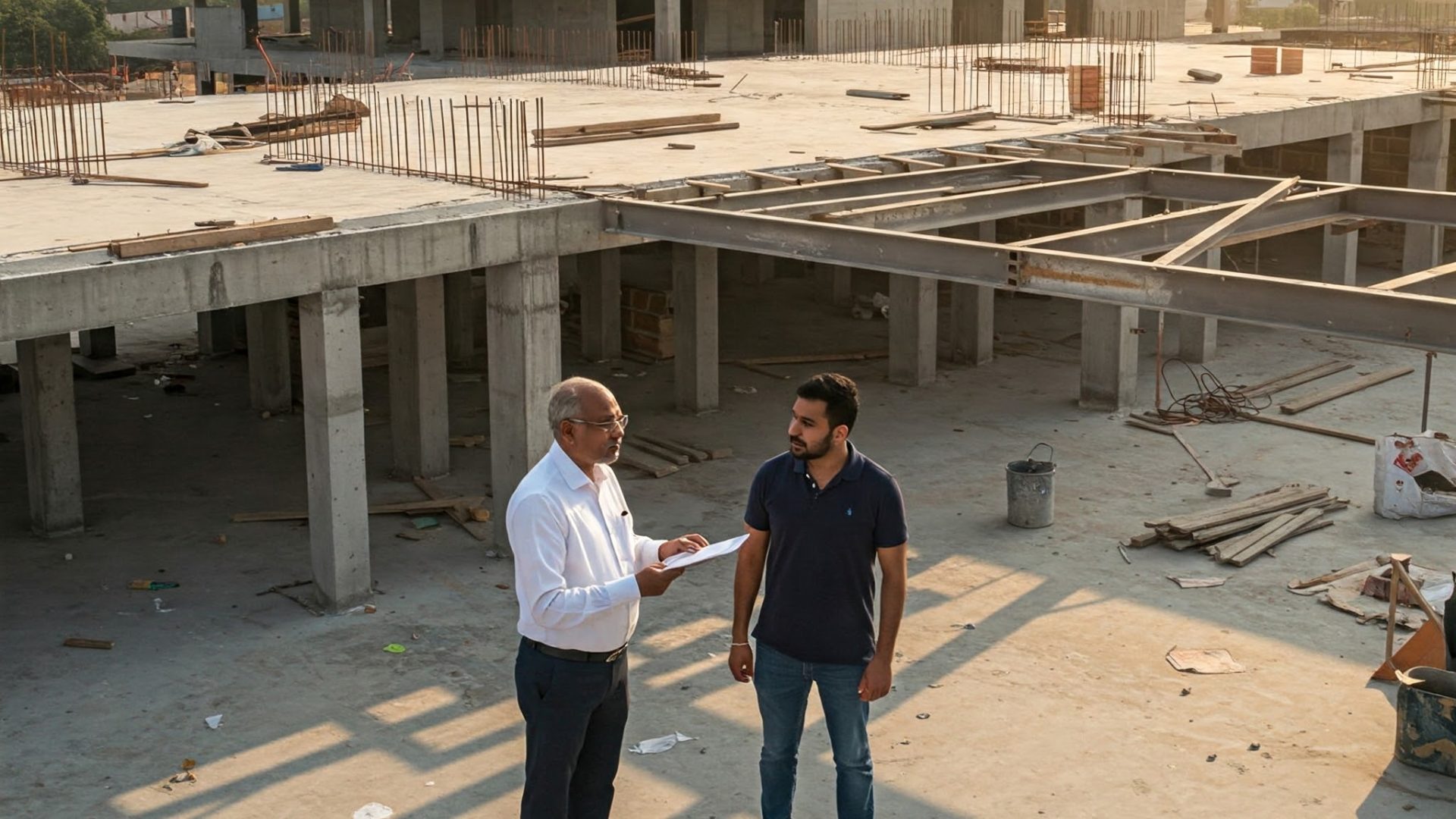
Laying the Groundwork: How Early Design Thinking Prevents Development Headaches
As an architect who’s weathered more than a few storms in the development world, I can tell you that the initial stages of a project are absolutely critical. It’s where dreams take their first form, but also where potential nightmares can brew if not approached with a keen eye and a healthy dose of foresight. One area where a design architect can be an invaluable ally to new developers is in navigating the murky waters of initial feasibility and concept design. Trust me, getting this right early on can save you countless headaches, significant costs, and sleepless nights down the line.
Unveiling the Potential: The Power of Early Feasibility Studies
Before you even think about breaking ground, you need a clear-eyed understanding of whether your vision is actually viable. This isn’t just about gut feeling; it requires a thorough assessment of the site, its constraints, and its potential. This is where an experienced design architect steps in. We don’t just see lines on a map; we see opportunities and challenges.
A detailed feasibility study goes beyond a simple site survey. It involves analyzing zoning regulations to understand what’s even permissible on the land. We delve into environmental factors, potential easements, and existing infrastructure that might impact the design. We consider the topography, soil conditions, and even sunlight patterns – all factors that will influence the design and ultimately the cost of construction.
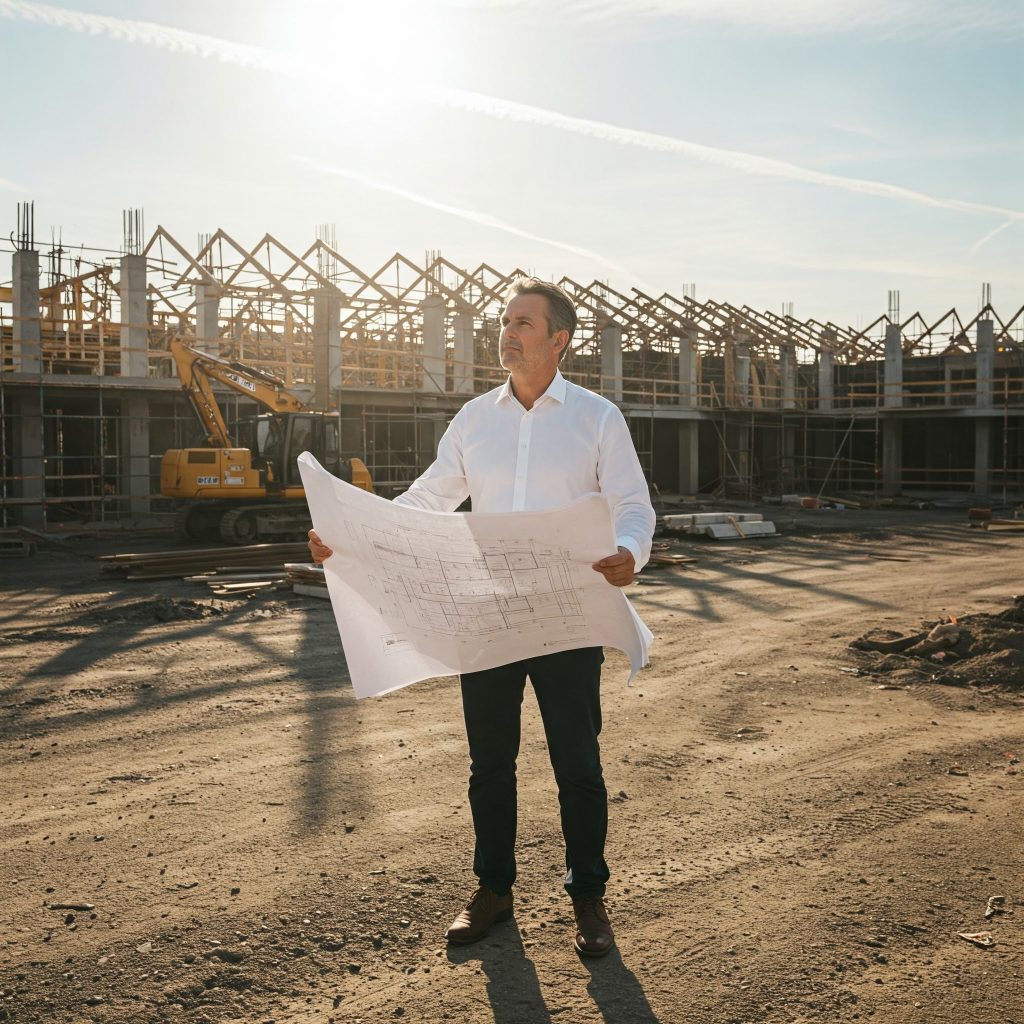
My experience has taught me that overlooking these initial assessments is a recipe for disaster. I recall one project early in my career where a developer, eager to get started, bypassed a thorough soil analysis. We later discovered significant subsurface issues that required extensive and costly remediation, throwing the entire project timeline and budget into disarray. A comprehensive feasibility study would have flagged these issues early on, allowing for alternative design approaches or even a reassessment of the site’s suitability.
From Vision to Blueprint: Crafting a Compelling Concept Design
Once feasibility is established, the next crucial step is translating your vision into a tangible concept design. This is where the creative process truly begins, but it’s also firmly grounded in practicality and market awareness. A skilled design architect doesn’t just create aesthetically pleasing forms; we craft spaces that are functional, efficient, and resonate with the target demographic.
The concept design phase involves exploring various spatial layouts, massing options, and material palettes. We consider the flow of spaces, natural light and ventilation, and the overall user experience. We think about how people will interact with the building and the surrounding environment. This isn’t just about pretty pictures; it’s about creating a framework that will guide the entire development process.
I’ve seen countless projects stall or underperform because the initial concept lacked a clear understanding of the end-user. For instance, a developer I worked with on a residential project was fixated on grand, open layouts without considering the needs of young families who valued defined spaces. The initial designs, while visually striking, didn’t align with the target market, requiring significant and costly revisions later in the process. A well-informed concept design, guided by market research and a deep understanding of user needs, avoids these pitfalls.
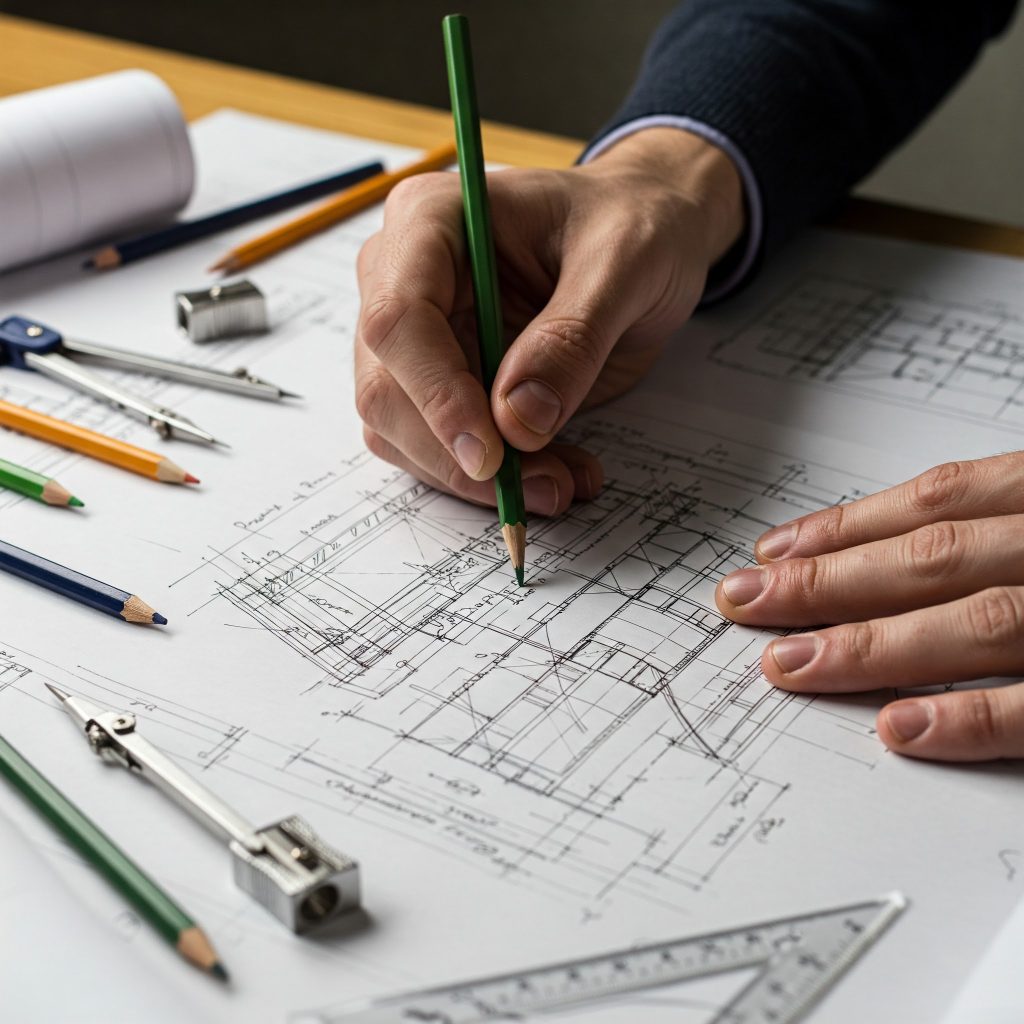
The Language of Collaboration: Ensuring Alignment from the Start
The concept design phase is also a critical opportunity for collaboration between the developer and the architect. It’s a dialogue where your vision, market insights, and financial parameters meet the architect’s design expertise and practical knowledge. This iterative process ensures that the emerging design not only meets your aesthetic and functional goals but also aligns with your budget and timeline.
Open and honest communication is paramount. As an architect, I see myself as a translator, transforming your ideas into a visual and spatial reality. But this translation is most effective when it’s a two-way street. Your feedback, your understanding of the market, and your financial constraints are just as crucial as my design skills.
I remember one particularly challenging project involving the adaptive reuse of a historic building. The developer had a strong vision for preserving the building’s character while creating modern commercial spaces. Through extensive early collaboration, we explored various design solutions that respected the historical fabric while meeting the functional requirements of potential tenants. This early dialogue prevented costly rework and ensured a cohesive and successful final design.
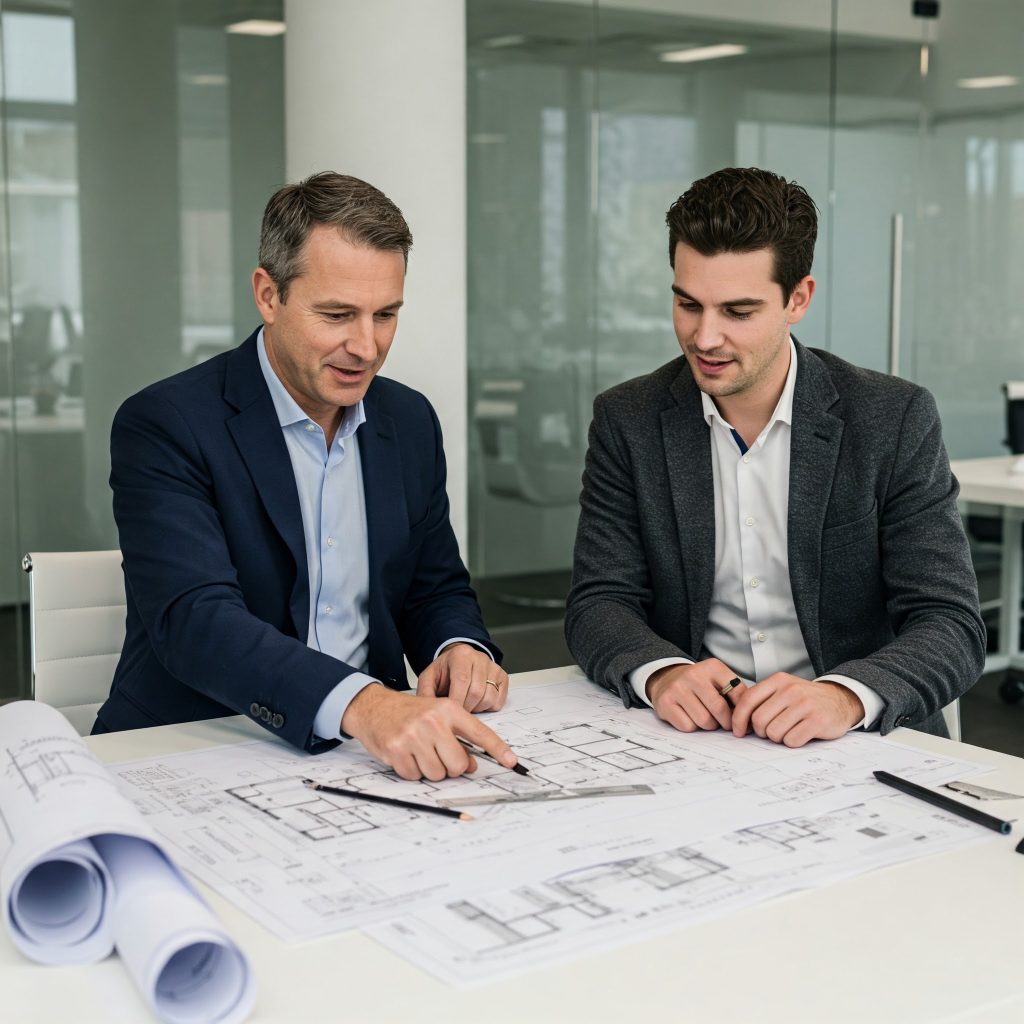
Laying a Solid Foundation: Investing in Early Design Thinking
In conclusion, the initial feasibility and concept design phases are not just preliminary steps; they are the bedrock upon which a successful development is built. Engaging a design architect early in the process brings a wealth of experience and a critical eye to these crucial stages. We can help you navigate regulatory hurdles, assess the true potential of your site, craft compelling and market-driven designs, and ensure clear communication and alignment from the outset.
For new developers stepping into this exciting but often complex world, remember that investing in thorough early design thinking is not an expense – it’s a strategic investment that will pay dividends in the form of reduced risks, streamlined processes, and ultimately, a more successful and profitable project. Learn from those of us who have navigated these waters before. A well-conceived beginning truly sets the stage for a triumphant end.