
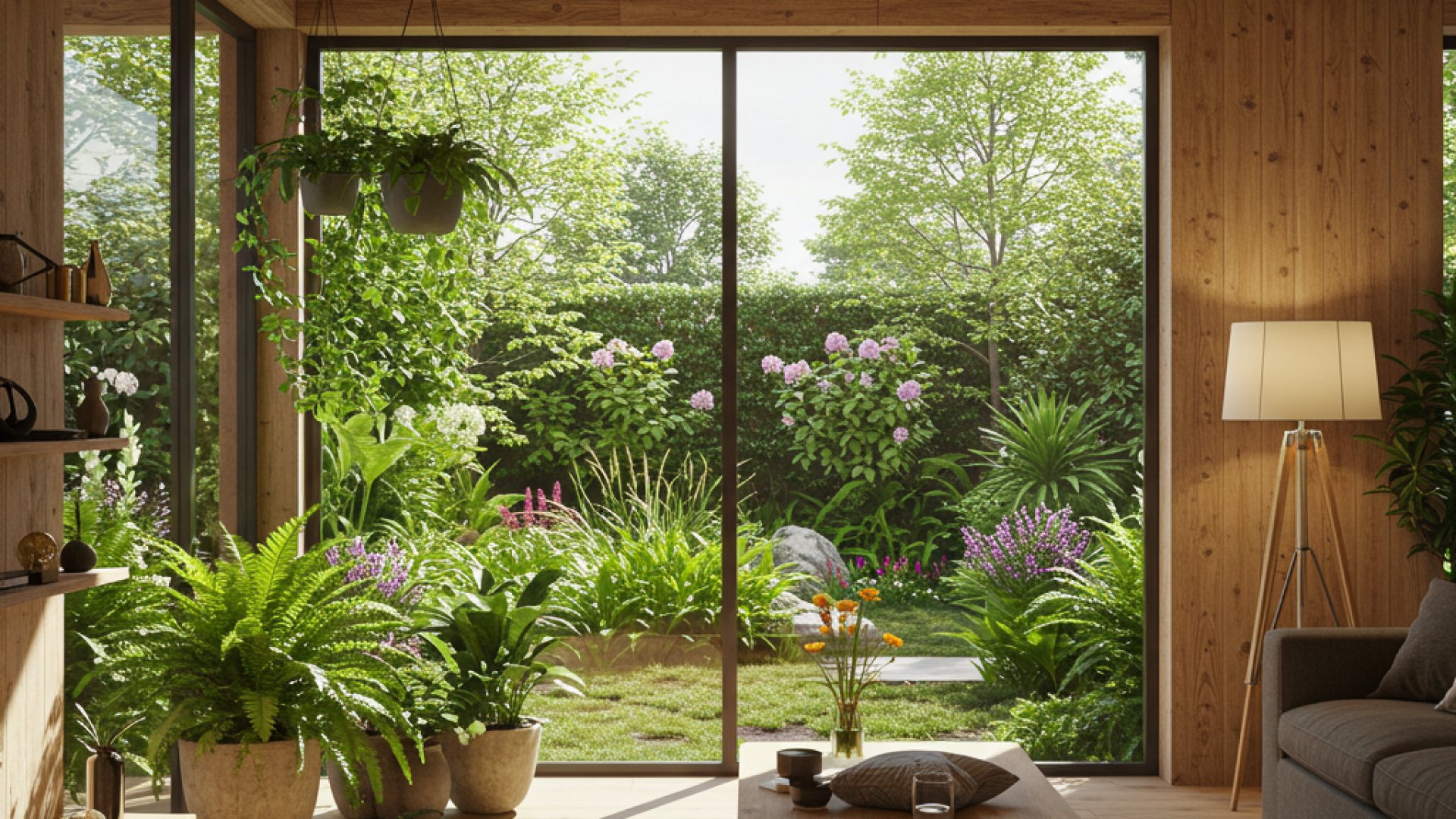
The Importance and Impact of Biophilic Design in Residential Architecture
As residential design continues to evolve, homeowners are placing greater value on spaces that support well-being, longevity, and a meaningful connection to the natural environment. Biophilic design has emerged as a powerful architectural approach that responds to this shift—one rooted in research, intentionality, and enduring quality rather than trend-driven aesthetics.
At its core, biophilic design enhances how a home functions and feels, creating environments that are restorative, balanced, and deeply personal.
What Is Biophilic Design?
Biophilic design is a design philosophy that integrates natural elements into the built environment in order to improve human health, comfort, and quality of life. It acknowledges the inherent relationship between people and nature and translates that connection into architecture and interior spaces.
In thoughtfully designed residences, biophilic elements may include:
-
Strong visual and physical connections to outdoor spaces
-
Abundant natural light and cross ventilation
-
Organic materials such as stone, wood, clay, and linen
-
Interior courtyards, gardens, and water features
-
Spatial layouts that reflect natural rhythms and proportions
Rather than serving as decoration, these elements are embedded into the architecture itself, influencing how a space is experienced on a daily basis.
Why Biophilic Design Matters in Residential Architecture
Supporting Wellness and Daily Living
Homes designed with biophilic principles have been shown to reduce stress, improve sleep quality, and enhance overall mental clarity. Access to daylight, greenery, and fresh air contributes to a calmer, healthier living environment—one that supports both everyday routines and moments of retreat.
Creating Timeless, Intentional Spaces
Design rooted in nature carries an inherent sense of permanence. Biophilic architecture prioritizes balance, material honesty, and thoughtful restraint, resulting in spaces that feel grounded and enduring rather than overly stylized or fleeting.
Increasing Long-Term Value
As buyer preferences continue to shift toward wellness-driven living, homes that incorporate biophilic strategies often stand out in the market. These spaces offer experiential value—something increasingly sought after in residential real estate—while also supporting long-term adaptability and appeal.
Aligning Sustainability with Comfort
Many biophilic strategies naturally complement sustainable design practices, including passive shading, daylight optimization, and natural ventilation. When seamlessly integrated, these features enhance comfort and performance without compromising architectural clarity or design integrity.
How Biophilic Design Is Expressed in High-End Homes
In refined residential architecture, biophilic design is subtle and intentional. It may take the form of carefully framed views, a seamless transition between interior and exterior spaces, or a restrained material palette inspired by the surrounding landscape.
These homes are not defined by excess, but by precision—where every decision supports harmony between architecture, environment, and lifestyle.
A Thoughtful Approach to Modern Living
Biophilic design reflects a growing desire for homes that do more than impress visually. It speaks to a deeper understanding of how environments shape our health, mood, and daily experience.
By integrating nature into residential architecture in meaningful ways, biophilic design creates spaces that feel calm, connected, and enduring—homes that quietly elevate the way we live.