
I. Opening: The City as an Ecosystem
In an increasingly urbanized world, the way we plan and design our cities has a profound impact on our environment and quality of life. Sustainable urban planning is a crucial approach to addressing the environmental and social challenges of cities, creating resilient, equitable, and thriving communities. This week, we’ll explore how sustainable urban planning views “the city as an ecosystem,” where every element is interconnected and contributes to the overall health of the urban environment.
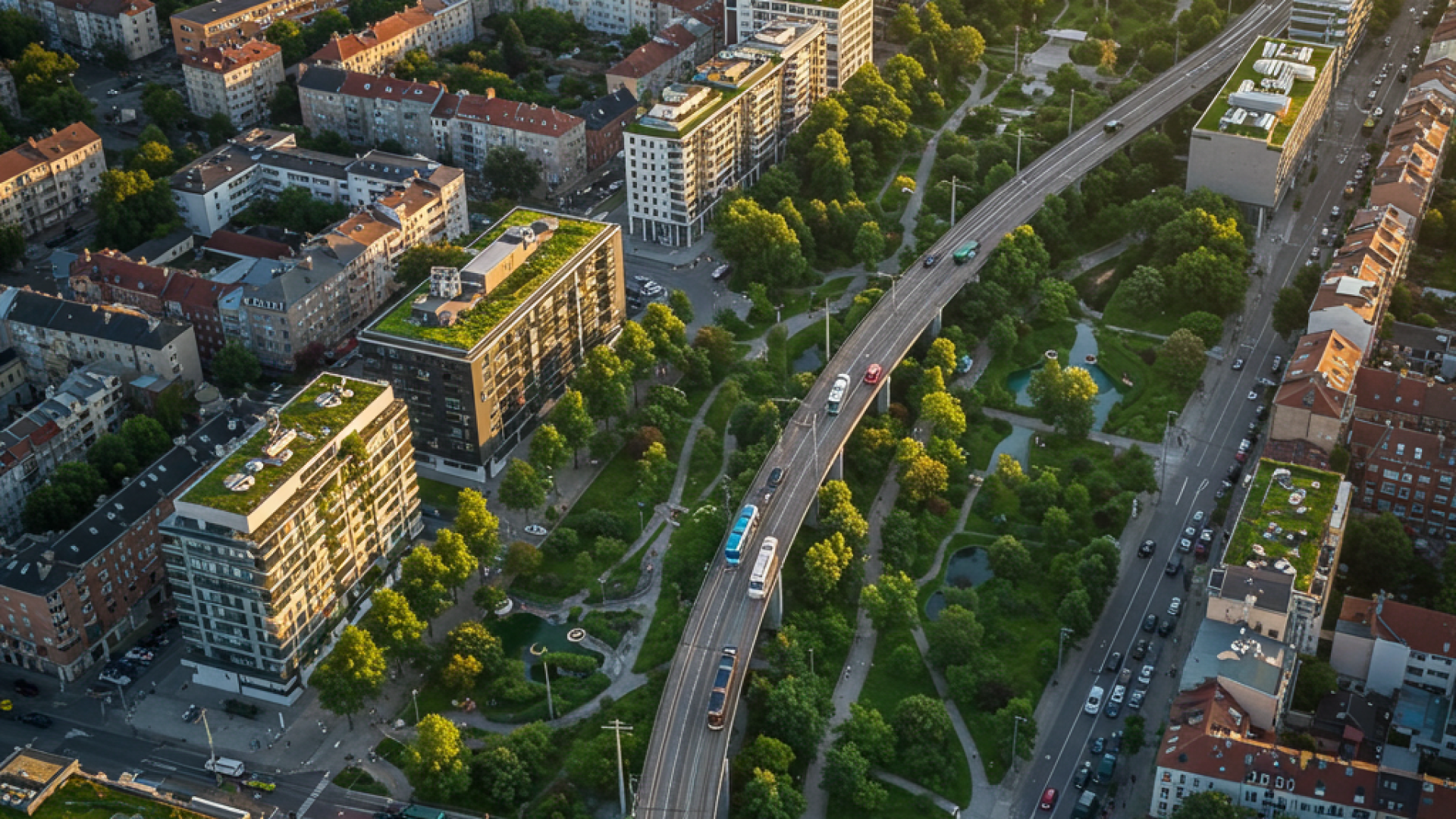
(Image: An aerial view of a city with green spaces, sustainable transportation, and compact development, symbolizing sustainable urban planning.)
II. Principles of Sustainable Urban Planning
- Compact Development: Higher-density development with mixed land uses reduces sprawl and promotes walkable communities.
- Green Infrastructure: Incorporating green spaces, parks, and urban agriculture enhances biodiversity, manages stormwater, and improves air quality.
- Sustainable Transportation: Promoting walking, cycling, and public transit reduces reliance on private vehicles and lowers emissions.
- Water Management: Implementing strategies for managing stormwater runoff, protecting water resources, and conserving water.
- Energy Efficiency: Designing energy-efficient buildings and infrastructure reduces energy consumption and greenhouse gas emissions.
- Social Equity: Ensuring inclusive and equitable urban planning that benefits all residents, regardless of income or background.
III. Urban Planning Strategies for Sustainability
- Transit-Oriented Development (TOD): Creating walkable communities around public transportation hubs reduces car dependence and promotes sustainable mobility.
- Green Building Codes and Policies: Implementing regulations that promote sustainable construction practices, such as energy efficiency standards and green building certifications.
- Urban Agriculture: Integrating food production into the urban fabric, such as rooftop gardens and community farms, enhances food security and reduces transportation emissions.
- Resilient Design: Adapting cities to climate change and natural disasters through strategies like flood-resistant infrastructure, green roofs, and permeable pavements.
IV. Case Studies in Sustainable Urban Planning
Cities like Copenhagen, Singapore, and Curitiba have successfully implemented sustainable urban planning strategies, demonstrating the feasibility and benefits of these approaches. By examining these case studies, we can learn valuable lessons and adopt best practices for creating sustainable cities.
V. Conclusion: Shaping Sustainable Cities
Sustainable urban planning is essential for creating livable, resilient, and equitable cities. By embracing its principles and strategies, we can transform our urban environments into thriving ecosystems that benefit both people and the planet.
Next week, we’ll explore The Future of Sustainable Architecture, examining emerging trends and innovations that are shaping the future of sustainable design. We encourage you to share your experiences and questions about sustainable urban planning in the comments below.