
I. Opening: Building in Harmony with Nature
In an era defined by environmental challenges, sustainable architecture emerges as a beacon of hope, offering a pathway to create a healthier and more responsible built environment. It’s about designing buildings that tread lightly on our planet, minimizing their ecological footprint while enhancing human well-being. This week, we’ll explore how sustainable architecture is fundamentally about “designing for a better future,” a future where buildings and nature coexist in harmony.
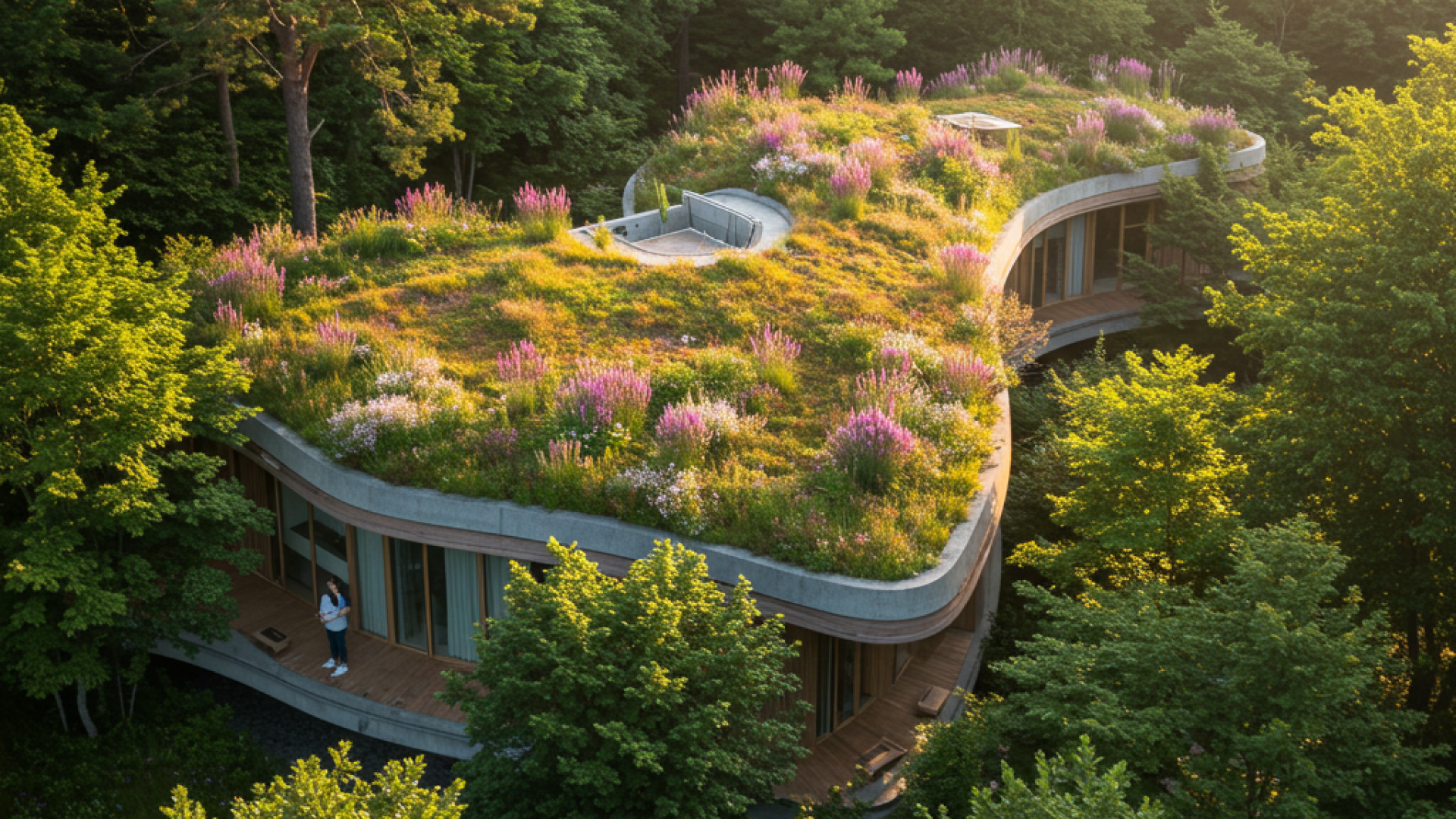
(Image: A visually appealing image showing a building integrated with nature, such as a green roof or a building surrounded by trees and vegetation.)
II. What is Sustainable Architecture?
Sustainable architecture is a holistic approach that considers environmental, social, and economic factors throughout a building’s lifecycle. It’s about creating structures that are not only functional and aesthetically pleasing but also minimize their impact on the planet. Core principles include energy efficiency, resource conservation, indoor environmental quality, and site sensitivity. The benefits are manifold: reduced environmental impact, improved health and well-being, and long-term economic advantages.
III. Key Concepts in Sustainable Architecture
- Passive Design Strategies: Utilizing natural elements like sunlight, wind, and vegetation to reduce energy consumption. This includes strategies like solar orientation, natural ventilation, and thermal mass.
- Active Systems: Integrating renewable energy sources (solar, wind, geothermal) and energy-efficient technologies to power buildings sustainably.
- Life Cycle Assessment (LCA): Evaluating a building’s environmental impact from raw material extraction to demolition, allowing for informed design decisions.
- Building Certifications: Green building rating systems like LEED and BREEAM provide frameworks and benchmarks for sustainable design, promoting best practices and accountability.
IV. The Role of the Architect in Sustainable Design
Architects play a pivotal role in advocating for sustainable solutions. They are responsible for integrating sustainable principles into their designs, collaborating with engineers, contractors, and other stakeholders to ensure successful implementation. Ethical considerations, such as material sourcing and long-term environmental impact, are paramount in sustainable design.
V. Conclusion: A Sustainable Path Forward
Sustainable architecture is not just a trend; it’s a necessity. By embracing its principles, we can create buildings that are not only environmentally responsible but also enhance the quality of life for occupants. Let’s commit to exploring sustainable design strategies and contributing to a more sustainable built environment.
Next week, we’ll delve into Green Building Materials and Technologies, exploring the innovative tools and resources that enable sustainable design. We encourage you to share your experiences and questions about sustainable architecture in the comments below.