
I. Opening: The Rise of Intelligent Design
Artificial intelligence (AI) is rapidly transforming numerous industries, and architecture is no exception. With its ability to automate tasks, optimize designs, and augment creativity, AI is poised to revolutionize the way architects work. This week, we’ll explore how AI is enabling architects to “design with intelligence,” pushing the boundaries of what’s possible in the built environment.
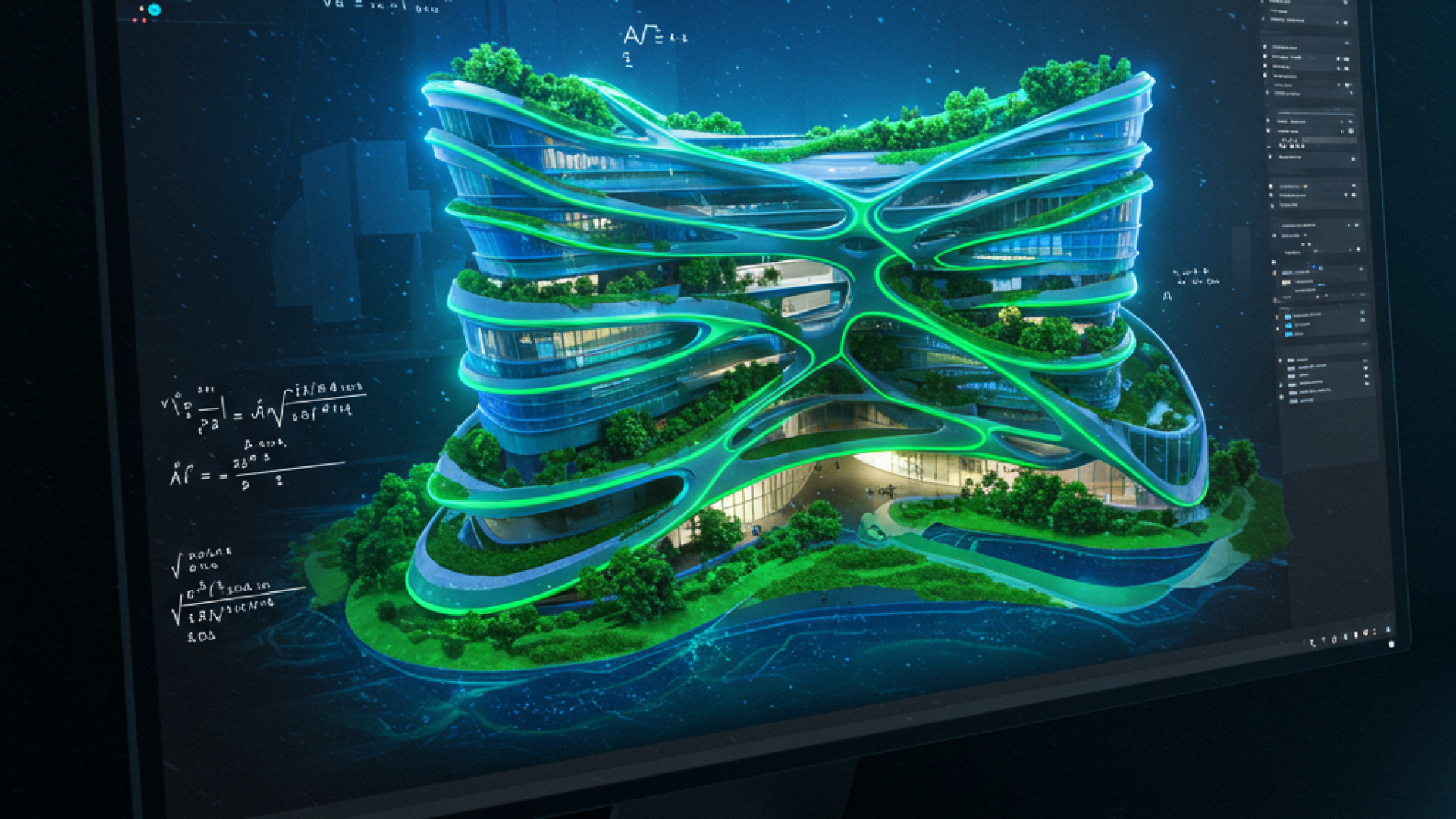
(Image: A futuristic architectural design generated by AI, or an image of a computer screen showing an AI-powered design process.)
II. What is AI in Architecture?
AI refers to the ability of computer systems to perform tasks that typically require human intelligence. In architecture, this includes machine learning, deep learning, and generative design. These technologies empower computers to analyze data, learn from patterns, and generate innovative solutions.
III. AI Applications in Architecture
- Generative Design: AI can generate multiple design options based on specific parameters and constraints, exploring a vast design space efficiently.
- Parametric Modeling: AI automates the creation and modification of complex geometries, streamlining the design process.
- Building Performance Analysis: AI simulates and optimizes building performance, including energy efficiency and structural analysis, leading to more sustainable designs.
- Construction Automation: AI-powered robotics and prefabrication enhance efficiency and accuracy in construction.
- Design Space Analysis: AI analyzes existing spaces to optimize layouts and improve functionality, enhancing user experience.
IV. AI-Powered Tools and Software
- Tools like Autodesk’s Project Refinery and Finch 3D integrate AI into existing BIM and design workflows.
- These tools enable architects to explore design options, optimize performance, and automate tasks.
V. Benefits and Challenges of AI in Architecture
- Benefits: Increased efficiency, improved design quality, enhanced creativity, and better building performance.
- Challenges: Ethical considerations, data privacy concerns, potential job displacement, and the need for continuous learning.
VI. The Future of AI in Architecture
AI will continue to shape the role of architects and the design process. Emerging trends include advanced generative design, AI-driven sustainability analysis, and AI-powered collaboration tools. Architects must embrace these advancements to remain competitive and innovative.
VII. Conclusion: Embracing the AI Revolution
AI is transforming architecture, offering new possibilities for design and construction. By staying informed and exploring AI’s potential, architects can enhance their capabilities and create more innovative and sustainable buildings.
Next week, we’ll delve into Drafting and Modeling Software in Architecture, exploring the essential tools that architects use to create and communicate their designs. We encourage you to share your experiences and questions about AI in architecture in the comments below.