
I. Opening: The Architect of Your Inner Strength
Just as architects design buildings to withstand the forces of nature, we must cultivate inner strength to navigate life’s inevitable challenges. Resilience and mindset are the crucial elements that determine how we respond to adversity, shaping our ability to bounce back and thrive. This week, we’ll explore how a strong mindset and resilience are the “cornerstones” of a solid foundation for life, empowering us to face any obstacle with confidence.
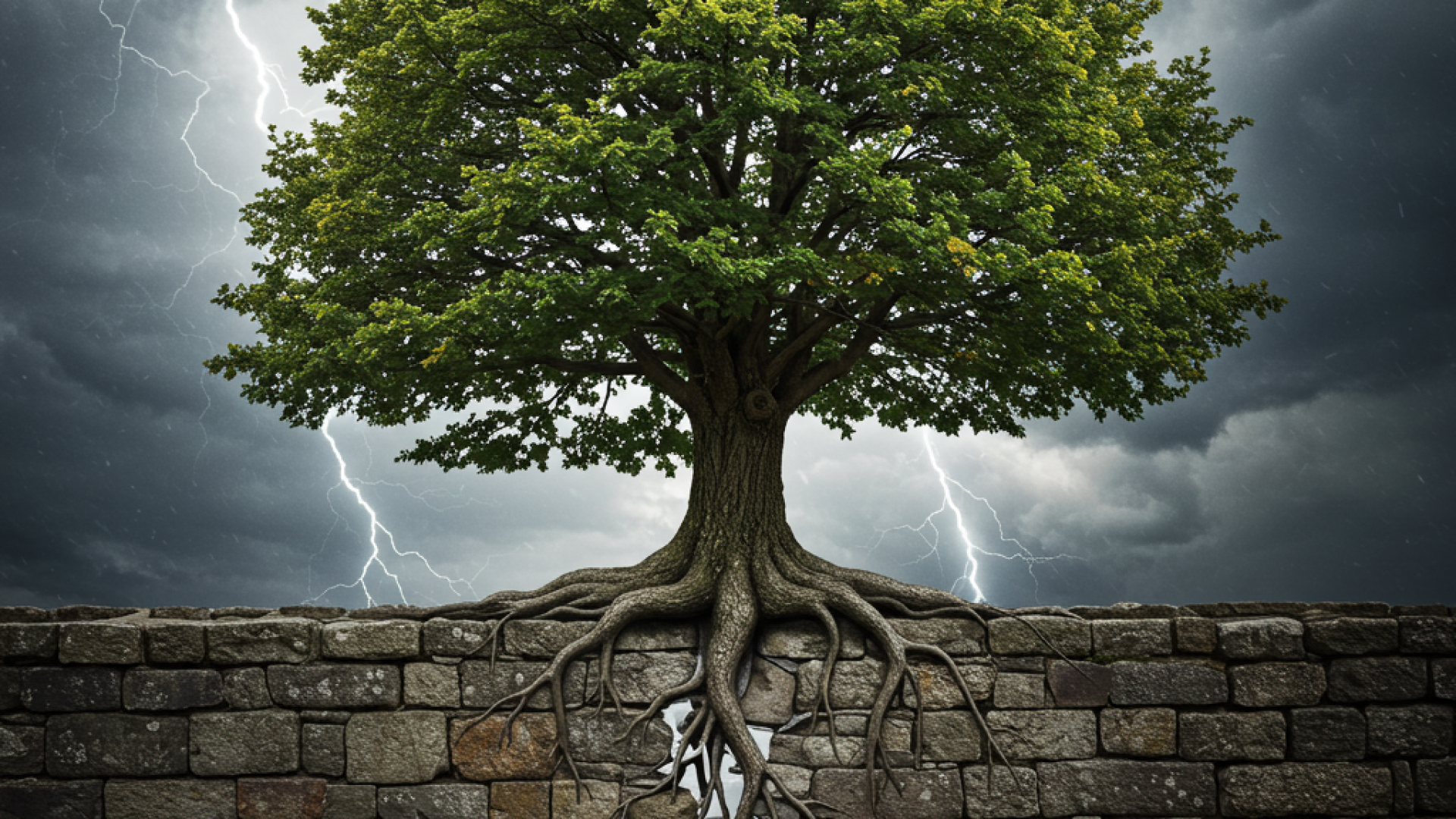
(Image: A visually appealing image showing a strong foundation, a resilient tree, or a person overcoming a challenge, symbolizing resilience and mindset.)
II. Understanding Resilience
Resilience is the ability to bounce back from adversity, setbacks, and challenges. It’s not about avoiding difficulties, but about developing the mental toughness to overcome them. Being resilient enhances adaptability, well-being, and our capacity to learn from experiences. Resilience is not an innate trait; it can be learned and strengthened through practice.
III. Cultivating a Growth Mindset
A growth mindset, the belief that abilities can be developed through dedication and hard work, is essential for resilience. It contrasts with a fixed mindset, which assumes abilities are static. A growth mindset fosters learning, development, and the ability to see setbacks as opportunities for growth. Embrace challenges and view them as stepping stones to improvement.
IV. Developing Emotional Intelligence
Emotional intelligence, the ability to recognize and manage emotions, is crucial for resilience. Self-awareness, self-regulation, empathy, and social skills contribute to emotional intelligence. Practice mindfulness, reflection, and active listening to enhance your emotional intelligence.
V. Building a Support System
A strong support network provides emotional and practical assistance during challenging times. Cultivate positive relationships and seek help and guidance when needed. Sharing your experiences with trusted individuals can provide valuable perspectives and support.
VI. Practicing Self-Care
Prioritizing physical and mental health is essential for resilience. Engage in self-care activities such as exercise, mindfulness, relaxation techniques, and hobbies. Self-care replenishes energy and enhances well-being, enabling you to better manage stress and challenges.
VII. Overcoming Challenges and Setbacks
Challenges and setbacks are inevitable. Develop problem-solving skills, reframe negative thoughts, and seek support when needed. Emphasize perseverance and learn from mistakes. View challenges as opportunities to develop resilience and grow stronger.
VIII. Maintaining a Positive Outlook
Positive thinking and optimism play a crucial role in resilience. Cultivate a positive outlook by practicing gratitude and focusing on the good. Reframe negative thoughts and focus on solutions rather than problems.
IX. Conclusion: Building an Unshakable Foundation
Resilience and mindset are the cornerstones of an unshakable foundation for life. By cultivating these qualities, you can navigate challenges with confidence and thrive in the face of adversity. Continue building your foundation through ongoing self-reflection and growth.
This month, we’ve explored the key themes of building a strong foundation: goal setting, time management, habit building, resilience, and mindset. Implementing these principles will empower you to live a more fulfilling and successful life.
We encourage you to share your experiences and questions about resilience and mindset in the comments below, and reflect on how you’ll continue to build your foundation.